
On the occasion of Bangla New Year 1433, Daffodil Institute of Engineering and Technology (DIET) hosted a vibrant and festive celebration. Pohela Boishakh is a cherished celebration for Bengalis, where people from all walks of life come together to immerse themselves in the joyous spirit of Bengali culture. The combined efforts of all departments and cultural clubs made the event truly mesmerizing, reflecting the students’ creative talents and respect for traditional values.
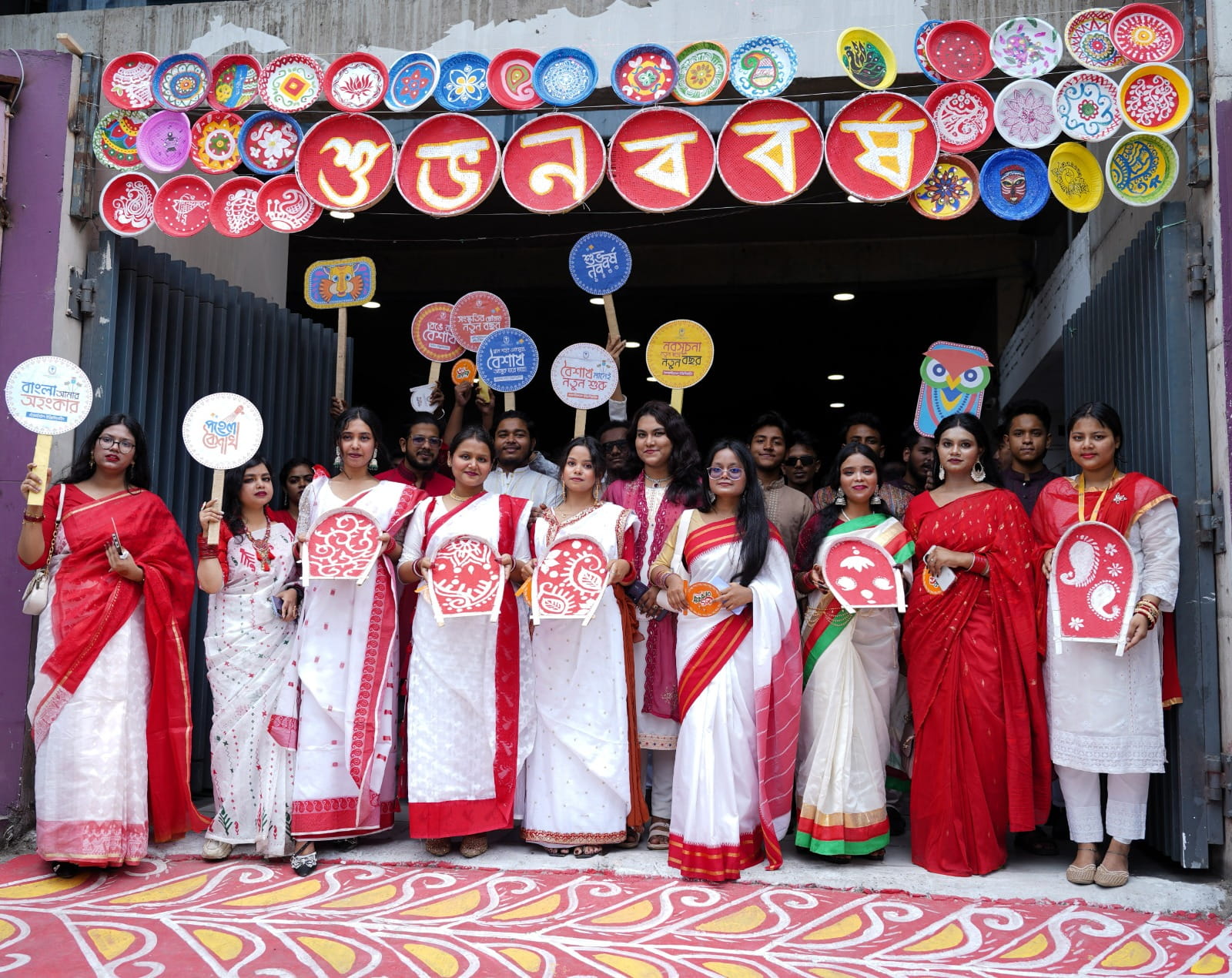
The festival began at 9:00 AM, with students from all departments busy setting up their respective stalls. Colorful banners, masks, and displays of traditional goods brought the festive spirit of Boishakh to life. Official stall activities kicked off at 9:30 AM.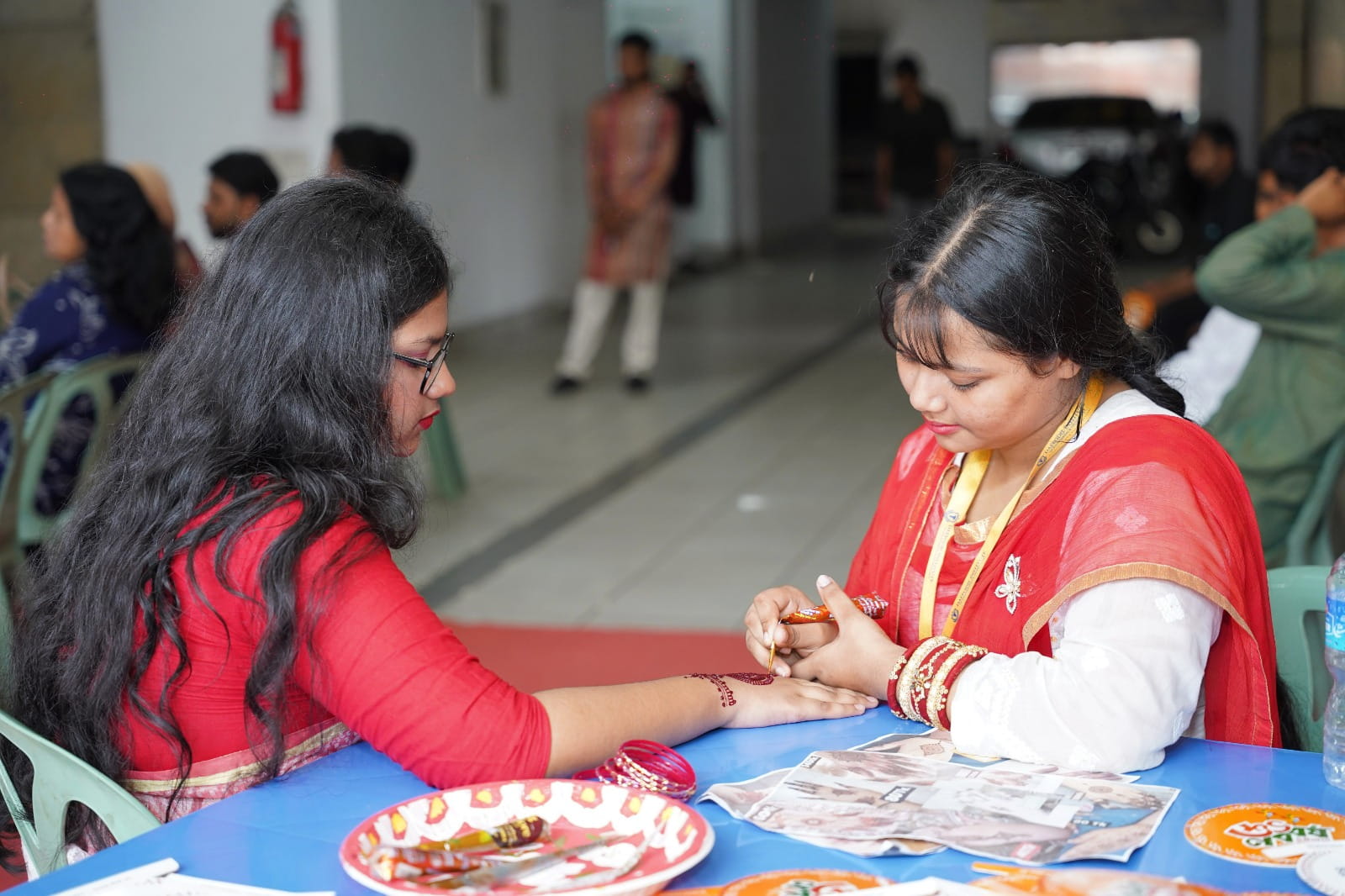
At 10:00 AM, students from DIET’s cultural club “Ullash” came together to perform traditional Boishakhi songs. Starting with “Esho He Boishakh,” they presented various folk songs that paid tribute to Bengal’s thousand-year-old heritage.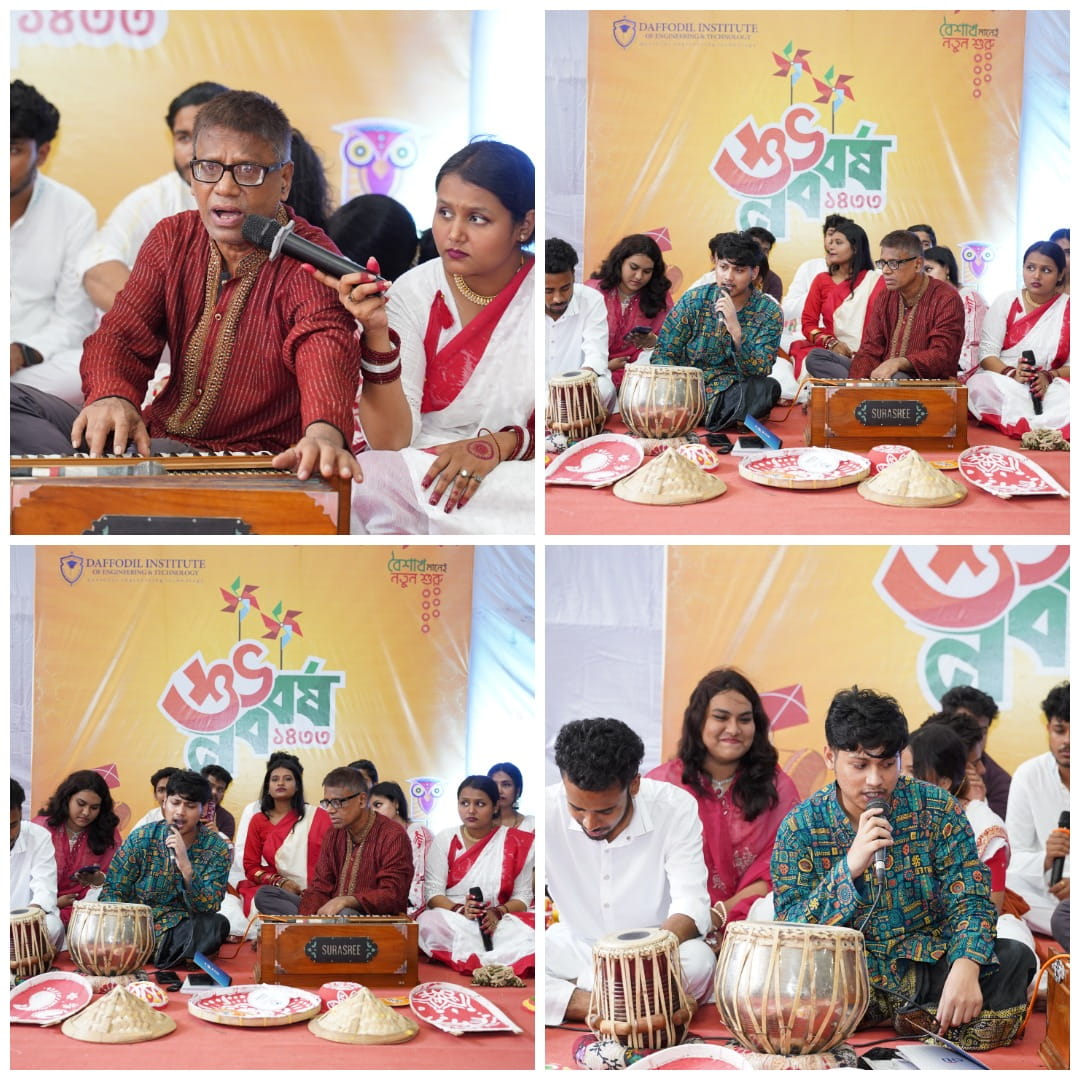
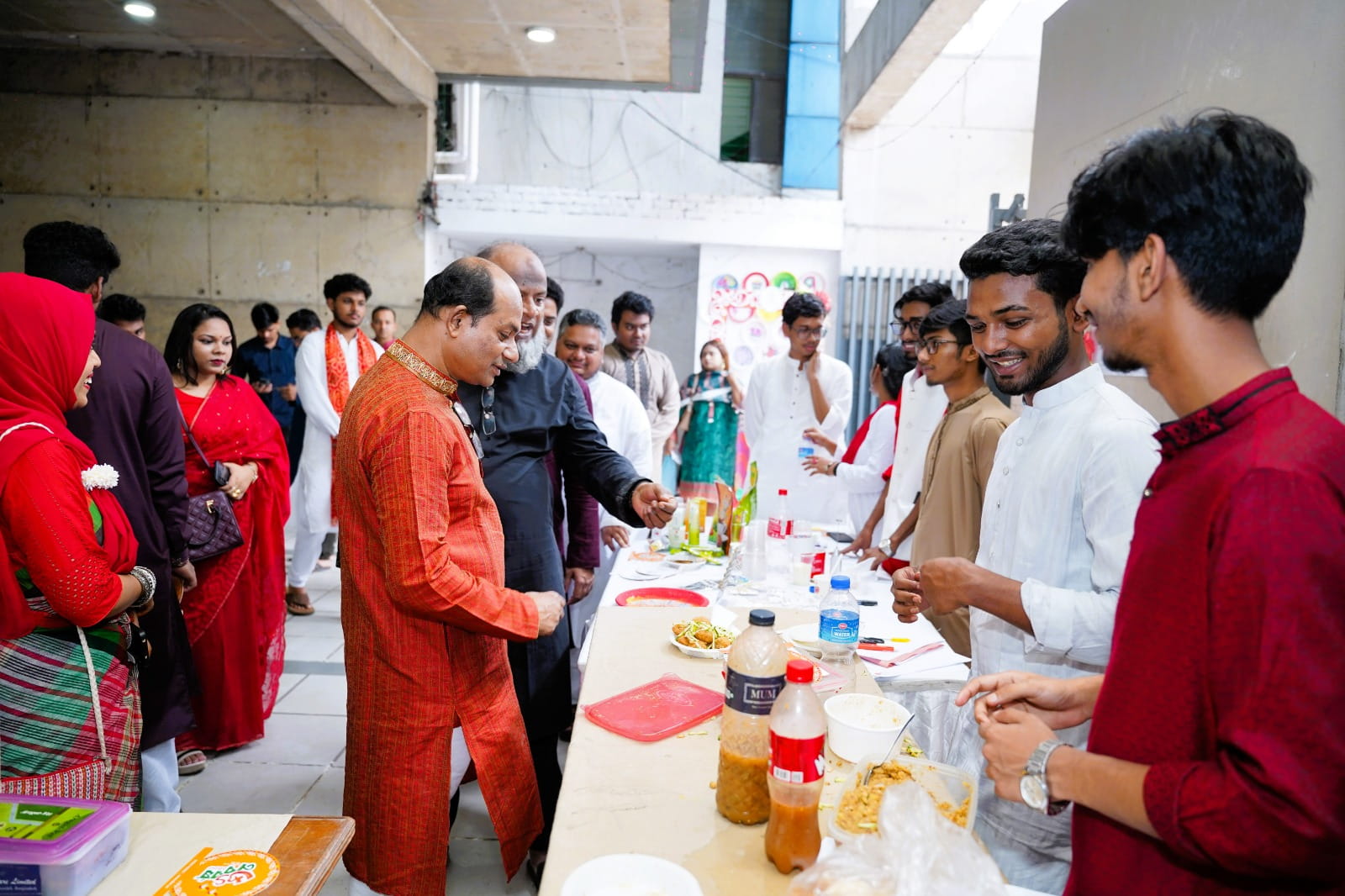
From 10:00 to 10:30 AM, attendees visited the stalls. Each stall reflected the students’ unique ideas and traditional presentations, which received praise from all visitors.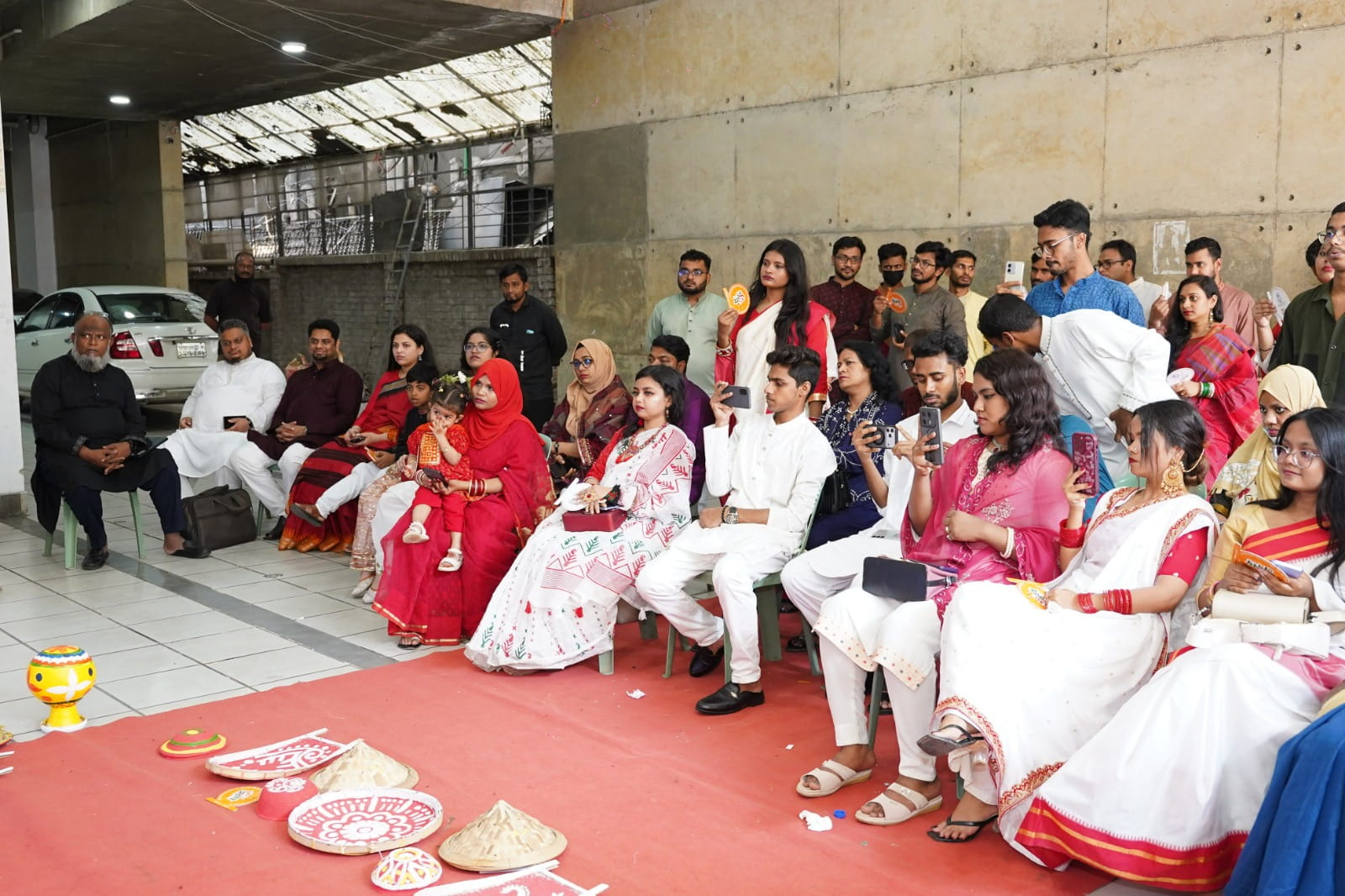
From 10:30 to 12:30 AM, a cultural program the heart of the event, was held. Students led by the cultural club brought Bengali culture to life through dance, music, poetry recitations, and theatrical performances. Guests, faculty members, and students thoroughly enjoyed every performance.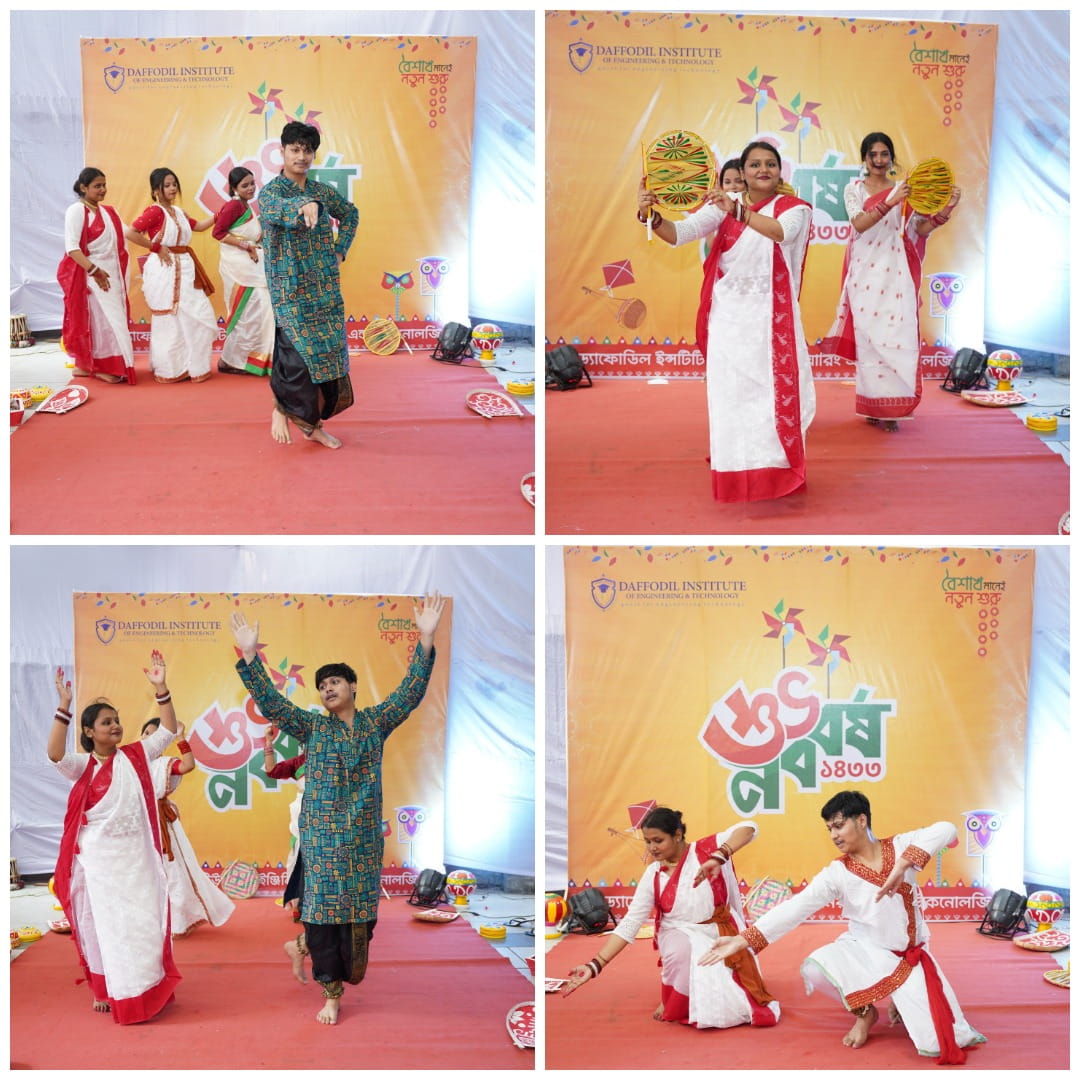
Md. Ariful Islam, a 7th-semester student of the Mechanical Department at Daffodil Institute of Engineering and Technology, has achieved notable recognition through his excellence in dance. He is an enlisted dance artist of the Bangladesh Shilpakala Academy and has been actively contributing with distinction.
In recognition of his valuable contribution, the Bangladesh Shilpakala Academy honored him with an “Uttori.” To celebrate this achievement, the honorable Deputy Director of the institute, Mr. K. M. Parvez Bappy, and the Principal, Mr. Abdul Hakim, formally draped him with the “Uttori.” Faculty members and students present at the occasion congratulated him and wished him continued success in the future. This accomplishment is a matter of pride for the institution and serves as an inspiration for other students.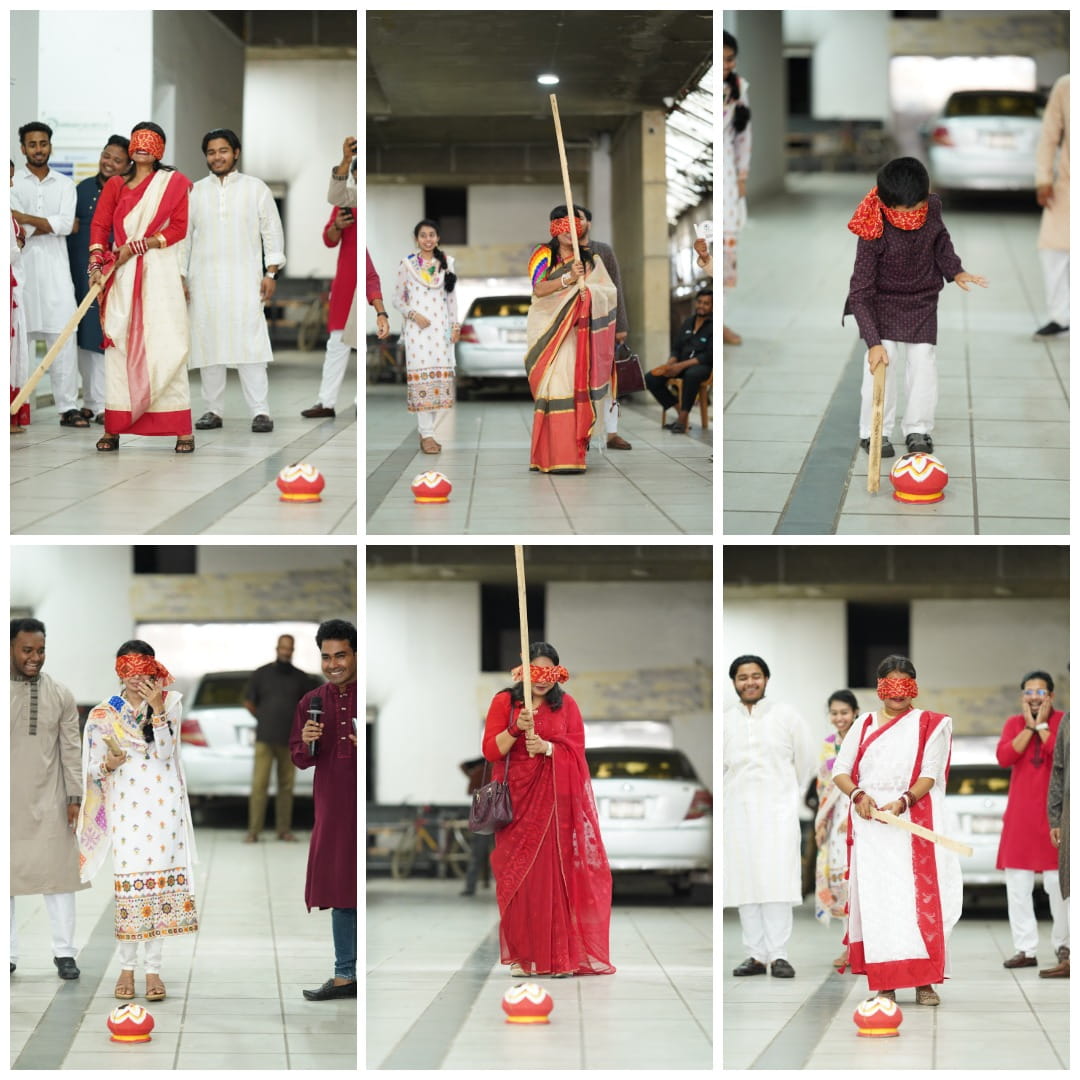
To mark Pohela Boishakh 1433, DIET organized a traditional Bengali fair that featured women’s jewelry like bangles and necklaces, other folk crafts, and cultural artifacts.
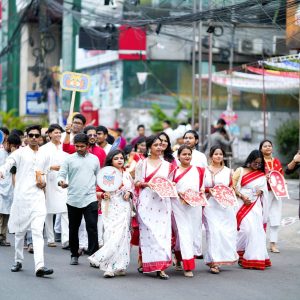
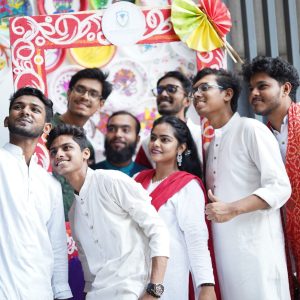
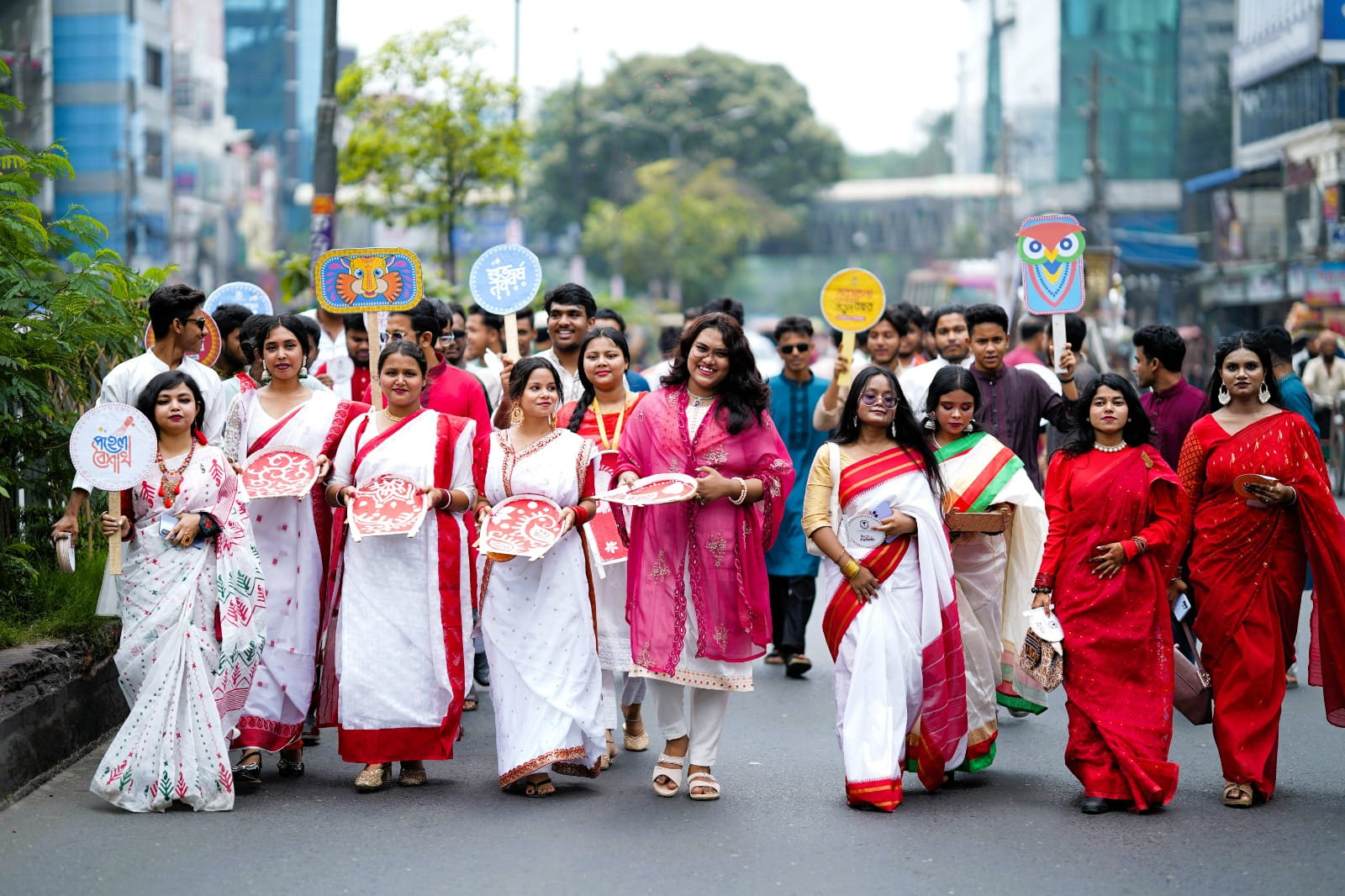
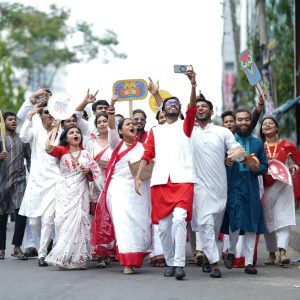
After the cultural performances, a vibrant “Ananda Shovajatra” (festive rally) was held. The rally started at DIET, went to DPI, and returned to DIET. Supervised by students, the parade was filled with participants adorned in traditional Boishakhi attire, carrying masks, musical instruments, and cultural symbols, filling the entire campus with festive energy.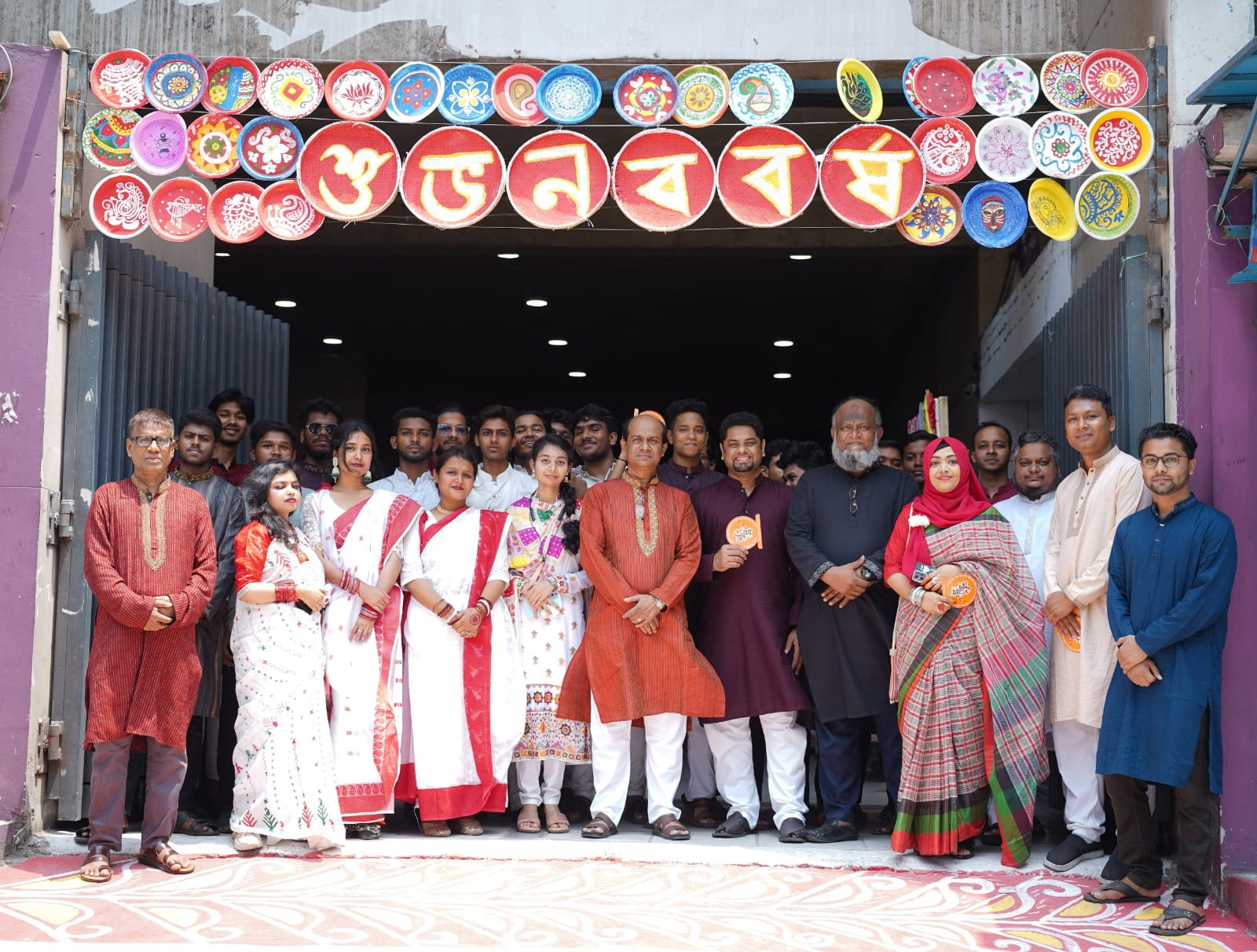
On the occasion of Pohela Boishakh 1433, a vibrant “Hari Bhanga” (pot-breaking) game was organized at the DIET campus for female students. The students participated in the competition with great enthusiasm and excitement. Distinguished guests present at the event also encouraged the participants. This traditional game added liveliness to the celebration of the Bengali New Year and played an important role in fostering a sense of unity and cultural awareness among the students.
Finally, at 12:30 PM, the event was officially concluded. The day became memorable due to the enthusiastic participation of students, the tireless efforts of teachers, and the collaborative work of the cultural club.